DRUG HISTORY SHORTS
Inside the Secret History of How the World Got Hooked on Drugs
For more than a century — and at a cost of over a trillion dollars — the world has waged war on drugs. Millions have been imprisoned or killed. And yet, people continue to use them.
Will drugs ever disappear? Will the war on drugs ever end?
History suggests we’re asking the wrong questions.
For centuries — in some cases, millennia — drugs have shaped our cultures, economies, politics, and societies. They have fueled empires, inspired social movements, transformed medicine, and sparked moral panics. They have been celebrated, commercialized, criminalized, and condemned.
So what if the question isn’t how to stop drugs, but how do we better live with them?
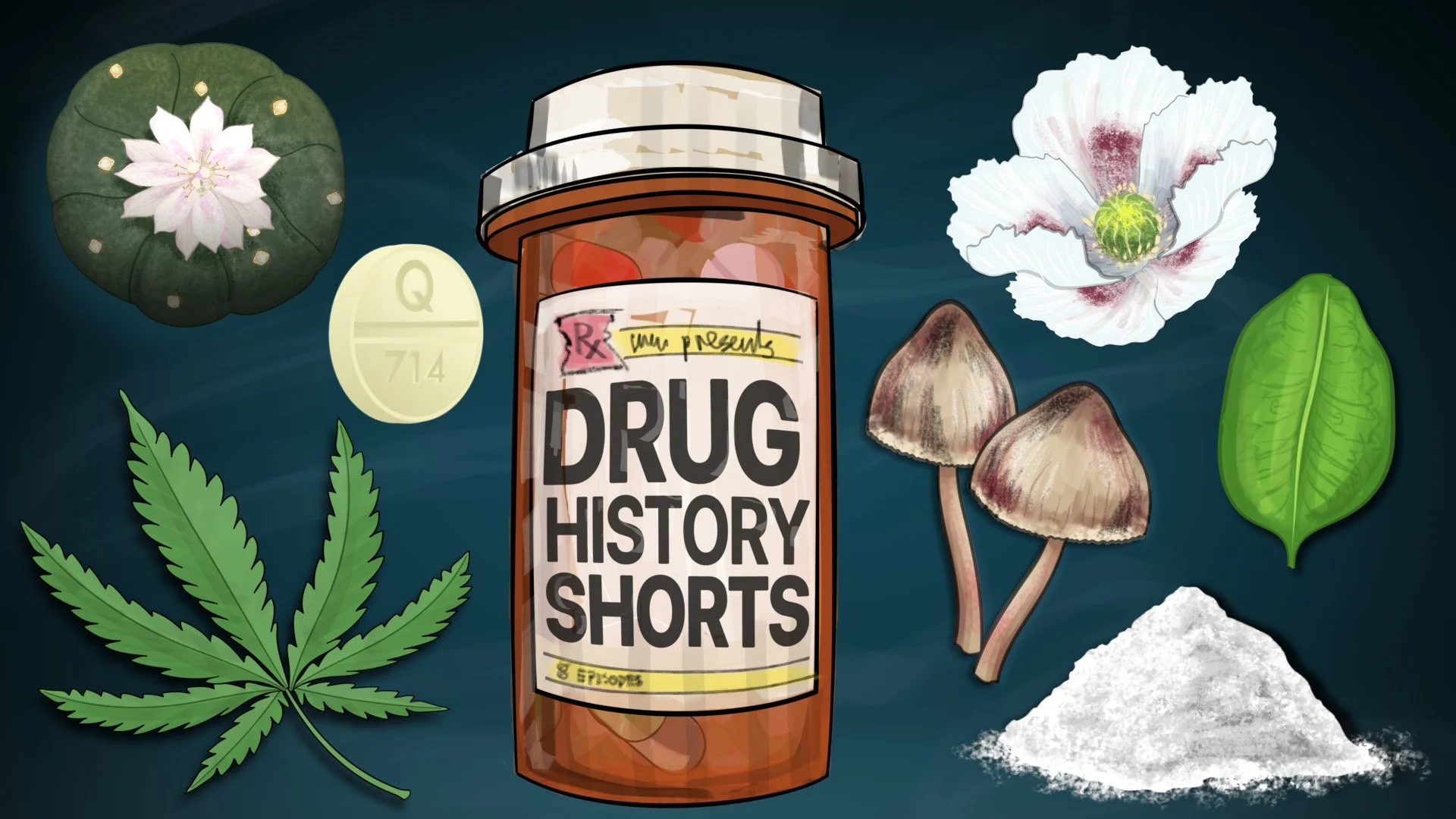
Drug History Shorts is an animated series that challenges everything we think we know about drugs. From humanity’s earliest drug experiments, to the rise of global markets, prohibition, and legalization, we unravel the history of the drugs we fear, the drugs we love, and the ones we can't seem to live without.
Featuring award-winning animator Pete List and original histories by groundbreaking scholars from around the world, the series reveals how drugs have shaped the world we live in, and why understanding that history matters more than ever.
Help us bring these untold stories to life. Your support will help make Drug History Shorts possible.

About The Film
-
Hazel Hammond, a 1940s drug-store courier in California, delivers everything from cannabis to aspirin.
Her story reveals that ideas about which drugs are “good” or “bad” shift with time, people, and politics.
Exploring the history of drugs is as much a story about us as it is about the drugs themselves.
Story written by Luc Richert
-
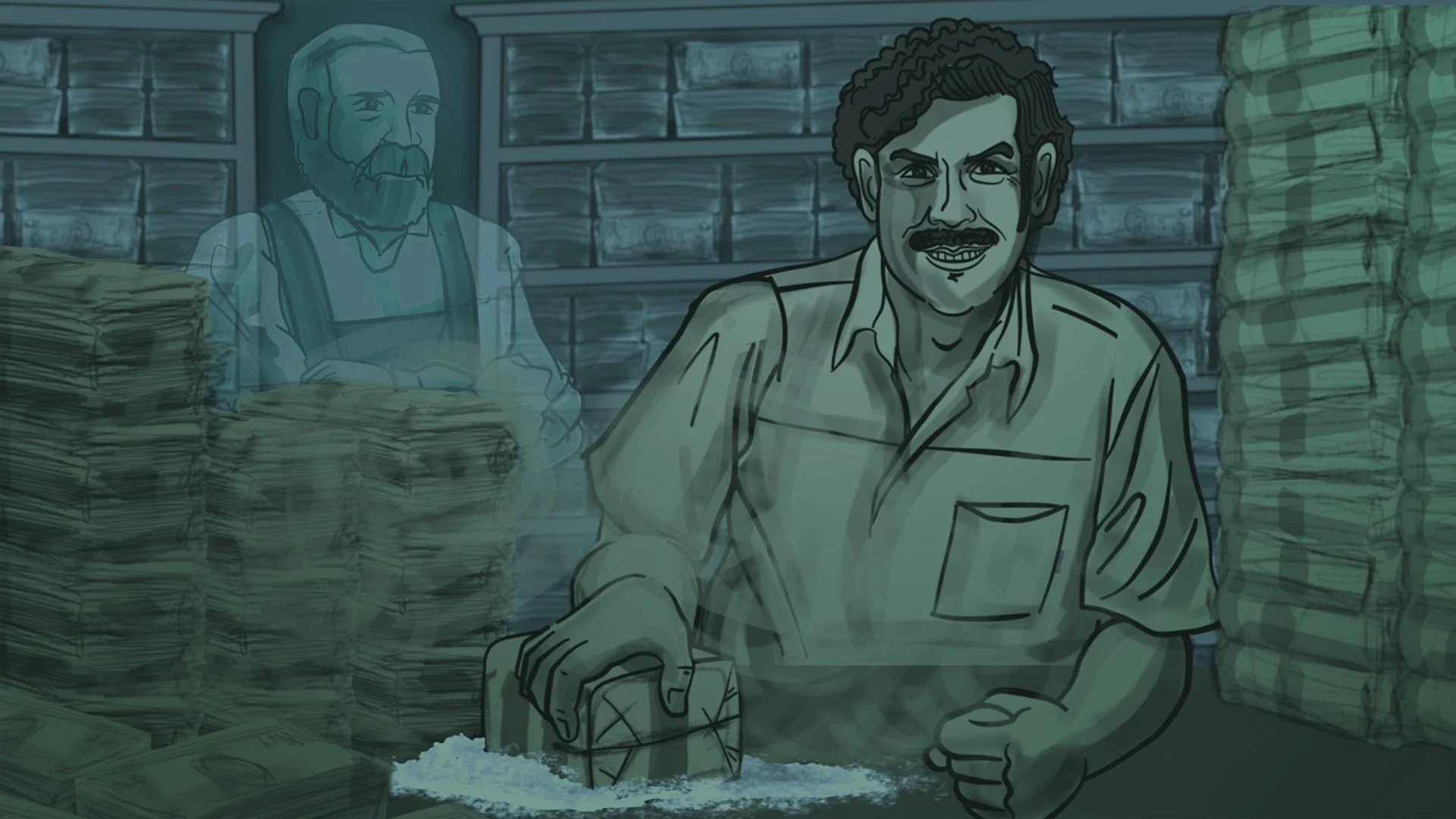
In 1895, Peruvian chemist Alfredo Bignon developed an easy method to process cocaine, hoping to make Peru a global exporter. International bans soon ended that dream, but decades later, traffickers revived his method, making Peru a cocaine powerhouse—just not as he intended.
The story shows how legal and illegal drug trades share the same roots.
Story written by Paul Gootenberg
-
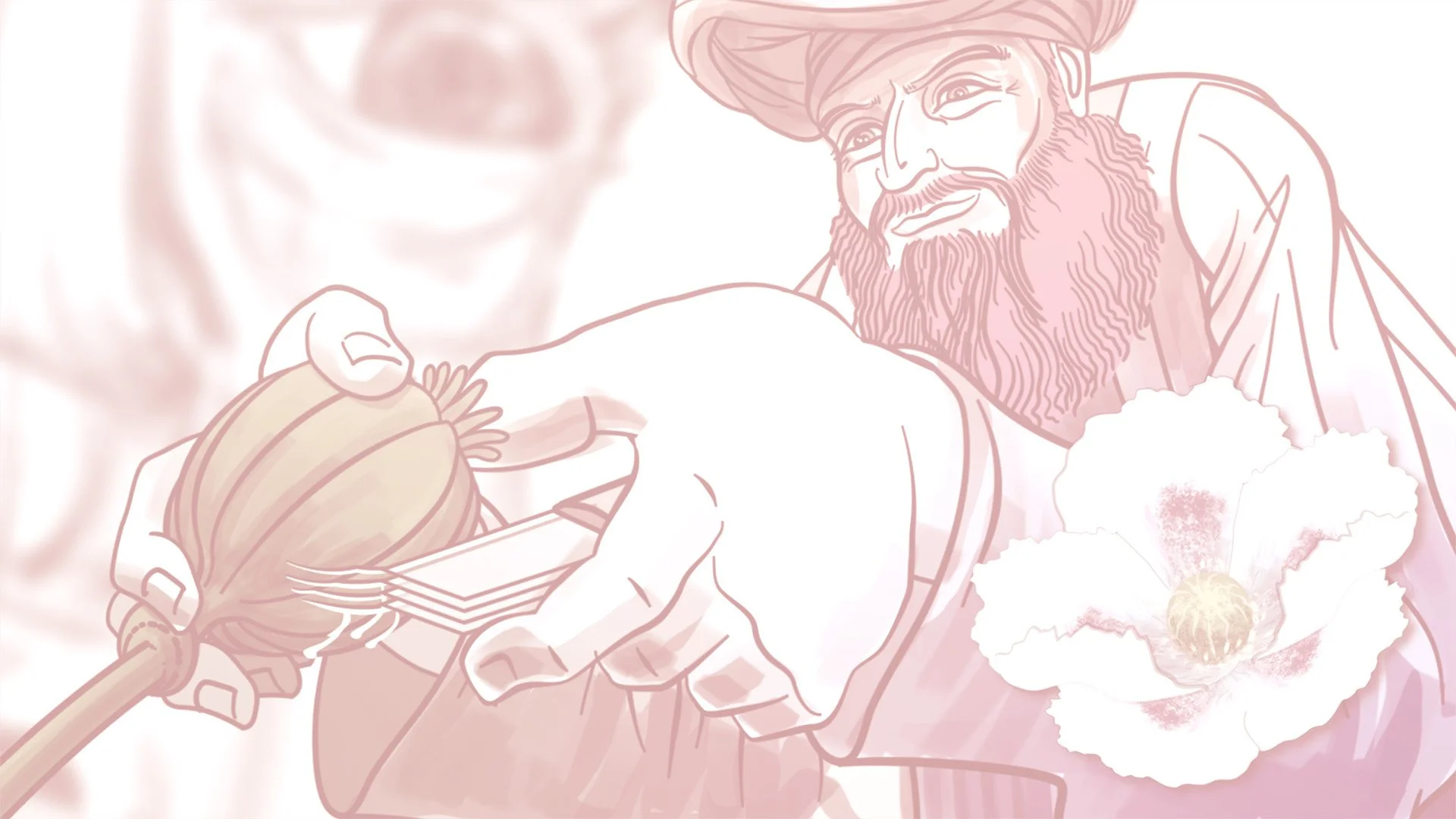
In colonial Cape Town, Black opium dealer William Birch’s love for a white woman ends in tragedy amid racially biased anti-drug laws.
The tale shows how drug enforcement reinforced racial and social boundaries in South Africa, helping to create one of the most racially segregated societies on earth.
Story written by Thembisa Waetjen

-
In early twentieth-century Mexico, most people believed that marijuana use led to madness and violence. Psychiatrist Leopoldo Salazar Viniegra challenged these beliefs, proposing that a drug’s effects depend on the substance, the user, and the setting, a concept that is now well established.
The chapter delivers an important lesson about drugs that all users should take to heart.
Story written by Isaac Campos
-
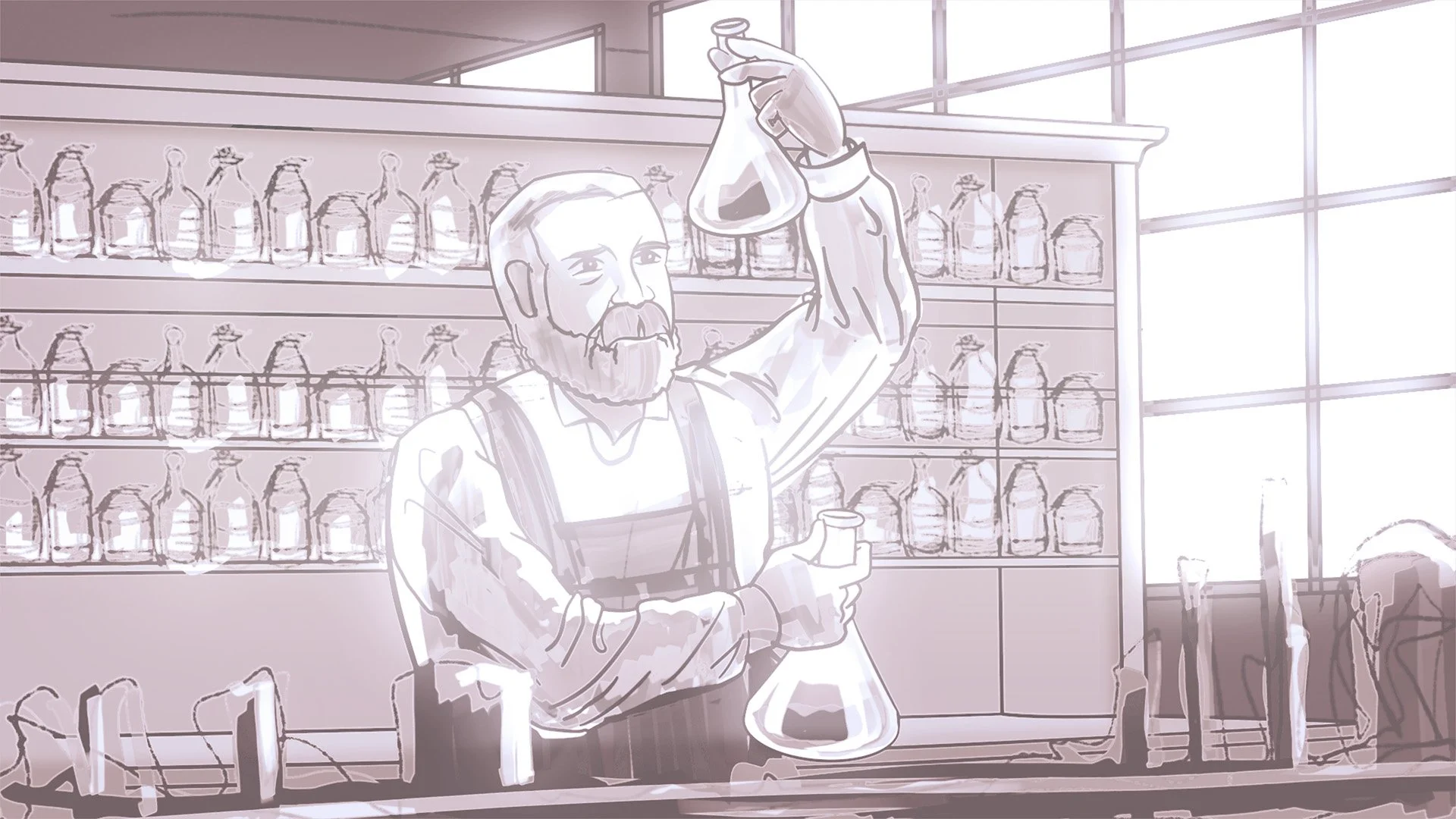
In 19th-century France, Dr. Jacques Joseph Moreau experimented with hashish and other substances, hoping to better understand and treat madness. Self-experimentation by physicians was widespread, led to many important discoveries, and demonstrates that the line between medical and recreational use is often very blurry.
Story written by Sara Black
-
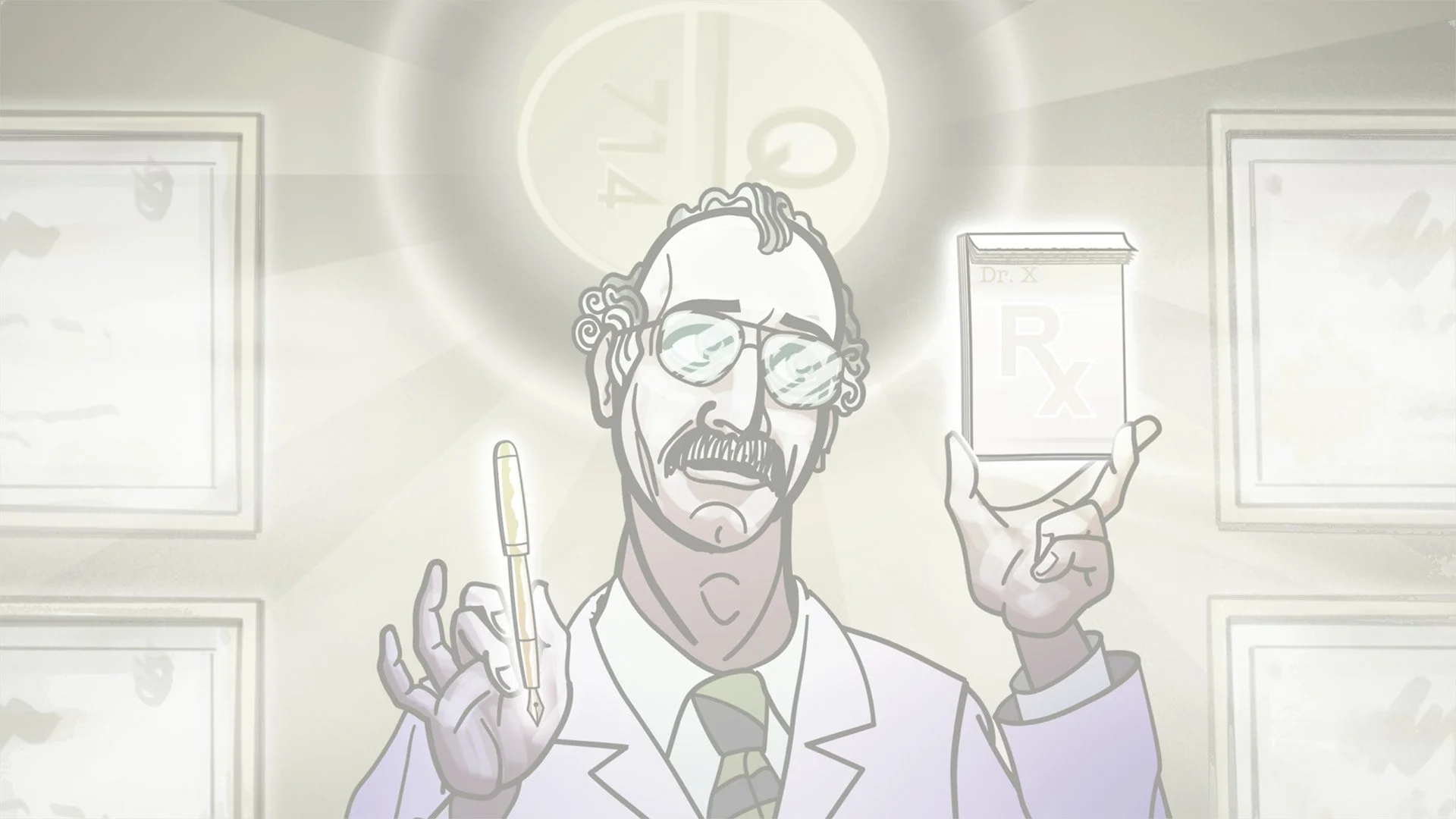
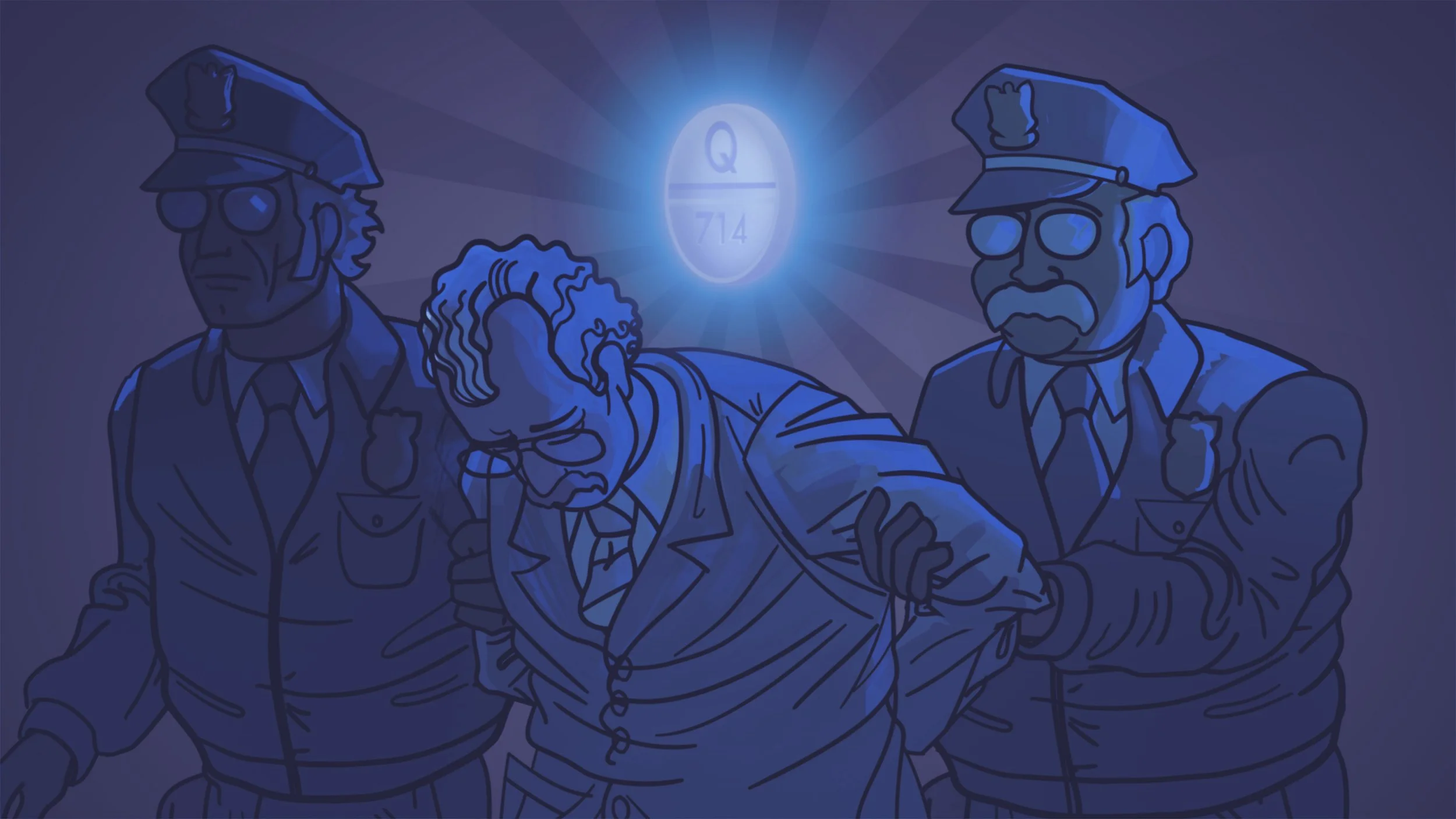
In 1970s America, widespread Quaalude prescriptions created a major drug problem. Cracking down on doctors had harmful side effects, as many patients lost valuable treatment options.
This story of Dr. X shows us that sometimes the least-bad drug policy is the most effective.
Story written by David Herzberg
-
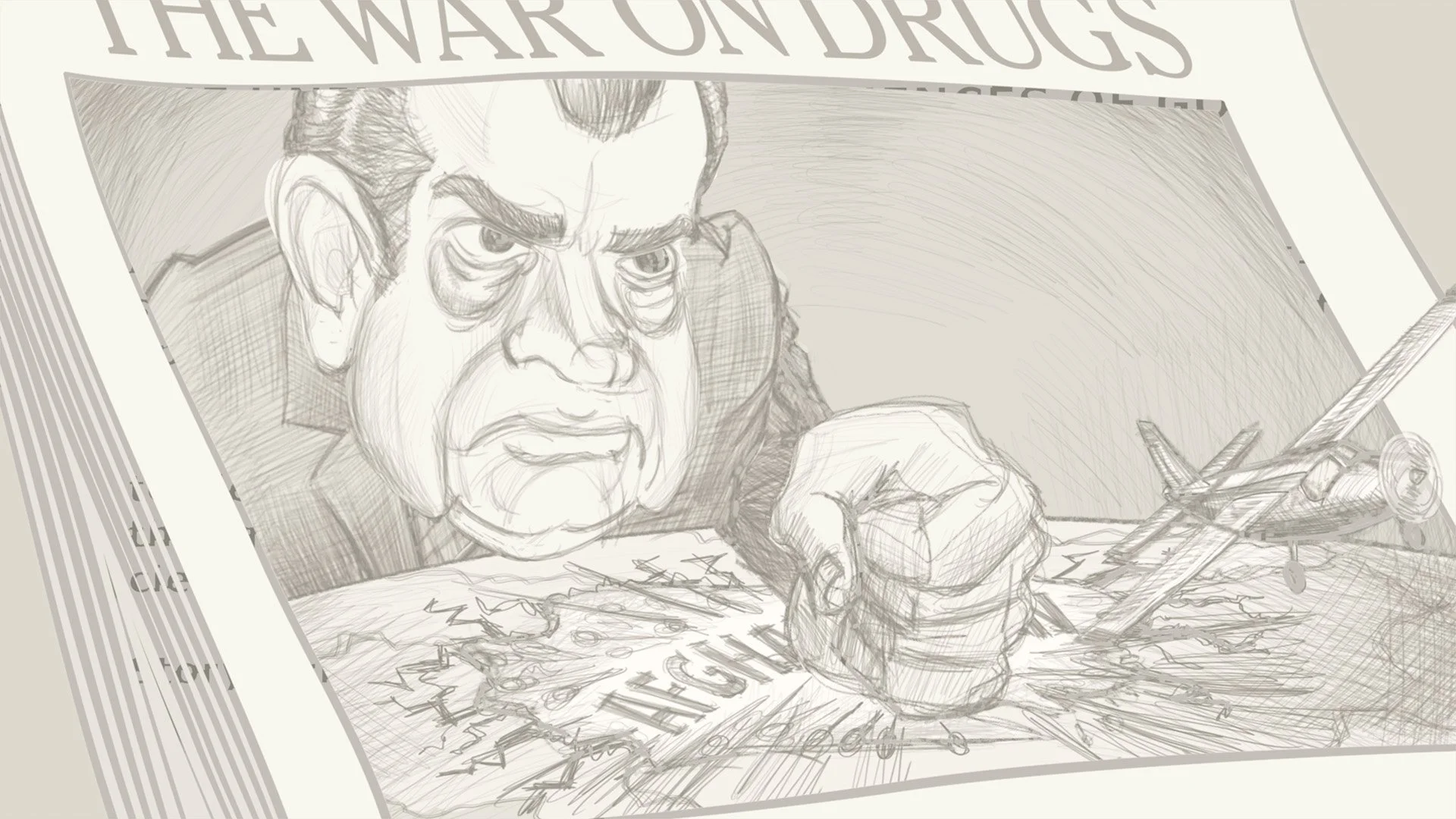
A U.S.-funded development project in 1970s Afghanistan modernized farming, but it also fueled the rise of opium production.
The case illustrates not only the constant risk of unintended consequences in drug policy, but also the ways that global drug markets respond with extreme efficiency to shifts in supply and demand.
Story written by James Bradford
-
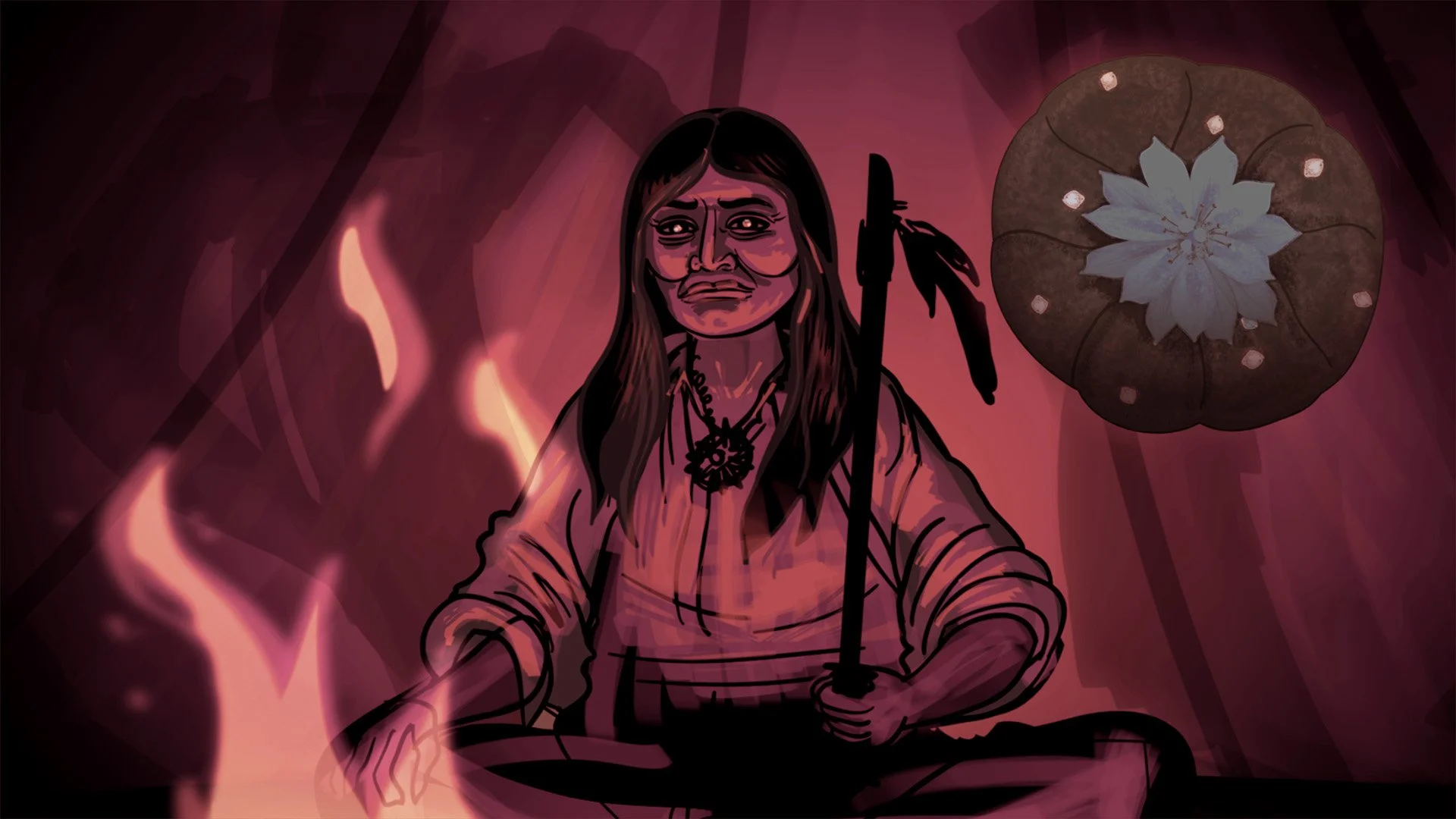
Historian Erika Dyck recounts using peyote with Indigenous people she studied, exploring both a healthy, structured approach to drug consumption, and the ethics of experiential research with these ancient drugs.
Story written by Erika Dyck.
MEET THE TEAM
-
Associate Professor of History at Berklee College of Music. Bradford is the author of Poppies, Politics, and Power: Afghanistan and the Global History of Drugs and Diplomacy (Cornell University Press, 2019) and multiple articles on the history of the war on drugs in Afghanistan. He is also the Co-Creator and Executive Producer for the television documentary series The Weed: A Definitive History of the World’s Most Famous Plant (in progress).
-
Professor of Latin American History at the University of Cincinnati, Campos’ main expertise is in modern Mexico and the history of illicit drugs. He is the author of the award-winning book Home Grown: Marijuana and the Origins of Mexico's War on Drugs (UNC Press, 2012), along with numerous peer-reviewed articles on drugs in Mexico and the United States. His newsletter and podcast, History on Drugs, brings scholarly work to a more general audience. His digital-history website, The Drug Page, pursues a similar objective. He is also an award-winning teacher.
-
Senior Producer at Amanpour & Company, the daily global affairs TV show broadcasting substantive long-form interviews every weeknight domestically on PBS and globally on CNN International. Bradford was formerly a producer with Tina Brown's live journalism series Women in the World. She has also worked on major feature films and documentaries, most notably with award-winning filmmaker Noah Baumbach. She brings over a decade of experience in investigative journalism, news media, and documentary filmmaking to the team.
-
Visual designer and director of the project, Pete is a versatile director and animator who has more than thirty years of experience in traditional stop-motion, hand-drawn and digital animation, creating animation for film, television, and web for clients such as Amazon, SNL, MTV, VH1, Nickelodeon, Nick Jr., PBS's Reading Rainbow, and others, as well as directing numerous music videos. Pete has had the pleasure of collaborating with children's book author Mo Willems on more than 20 different film projects as well as books, theater events and museum exhibits. Recently, Pete has been conducting stop motion courses and workshops for children and adults in schools and art festivals.
-
Knapp served as editor in several NYC animation studios before moving up to Line Producer for such series as "PB&J Otter" and "Goldie and Bear" (Disney), "Sheep In The Big City" and "Codename: Kids Next Door” (Cartoon Network), "Team Umizoomi" (Nickelodeon) and "Our Cartoon President" (CBS/Showtime). His personal films include “Time To Check The Radios”, “Time Shift”, “Sidewalk”, “Almanac”, “Keep This Coupon”, "Let's Eat Acorns!" and "PURGE!". He studied animation at The Rhode Island School of Design.
-
Professor of Film Scoring at Berklee College of Music and Program Director for the Berklee Online MM in Film Scoring. Plante is an award-winning media composer with composition honors including the Janet Gates Peckham International Award for Excellence in the Arts and the Olga and Paul Menn Foundation Prize for an original literary or musical work. Her scoring credits include educational television series, documentaries, and corporate advertisements, such as the History Channel, PBS, National Geographic, Animal Planet, among many others. She is active in industry organizations, particularly for women.
-
Holland has 25-years experience as an audio producer and engineer. He has worked extensively in the music and film industry, nationally and internationally. For the last two decades, Holland has owned and operated Chillhouse Studio in Boston, MA and has worked with many acclaimed artists and industry professionals.
-
Dr. James Bradford
Dr. Isaac Campos
Dr. Erika Dyck
Professor and a Canada Research Chair in the History of Health & Social Justice at the University of Saskatchewan. She is the author or co-author of several books, including Psychedelic Psychiatry (Johns Hopkins University Press, 2008); Managing Madness (University of Manitoba Press, 2017); The Acid Room (Anvil Press, 2022); and Psychedelics: A Visual Odyssey (MIT Press, 2024).
Dr. Thembisa Waetjen
Professor of history at the University of Johannesburg. She currently writes about South African cultural politics and colonial state-formation through the lens of opiates and cannabis. She works on various projects, being awarded grants for "Apartheid's War on Drugs" and "Cannabis Histories" (National Research Foundation) and a Wellcome Grant in the Medical Humanities to support graduate student research on South African drugs and narcotic medicines.
Dr. Sara Black
Historian of medicine in modern France at Christopher Newport University. Her book, Drugging France: Mind-Altering Medicine in the Long Nineteenth Century (McGill-Queen's University Press, 2022), explores how the use of opium, cocaine, and other drugs in medical practice normalized the chemical enhancement of modern life.
Dr. Paul Gootenberg
Distinguished Professor of History & Sociology at Stony Brook and retired as a Toll Professor in January 2025. He has published ten books, notably Andean Cocaine: The Making of a Global Drug (UNC Press, 2008). He is the General Editor of the Oxford Handbook of Global Drug History (OUP, 2022).
Dr. David Herzberg
Professor of History and Director of the Drugs, Health, and Society program at the University at Buffalo (SUNY). He researches the history of drugs in America and has written three books, including the award-winning White Market Drugs: Big Pharma and the Hidden History of Addiction in America (University of Chicago press, 2020), Whiteout: How Racial Capitalism Changed the Color of Opioids in America (University of California Press, 2023), and Happy Pills in America: From Miltown to Prozac (Johns Hopkins, 2009).
Dr. Luc Richert
Professor and George Urdang Chair in the History of Pharmacy at the University of Wisconsin–Madison. He is the author of three monographs and one anthology: A Prescription for Scandal (Rowman & Littlefield, 2014); Strange Trips (MQUP, 2019), Break On Through (MIT Press, 2019); and Cannabis: Global Histories (MIT Press, 2021). Richert is a founding member of UW-Madison’s Psychoactive Pharmaceutical Investigation program and the Transdisciplinary Center for Research in Psychoactive Substances.
HELP US BRING THESE UNTOLD STORIES TO LIFE.
Your support will help make Drug History Shorts possible.